 coolstuffwithcoco
Do you know what this look means?
Most owners get it wrong.
Read your dog's body language, and finally understand the weird stuff they do.
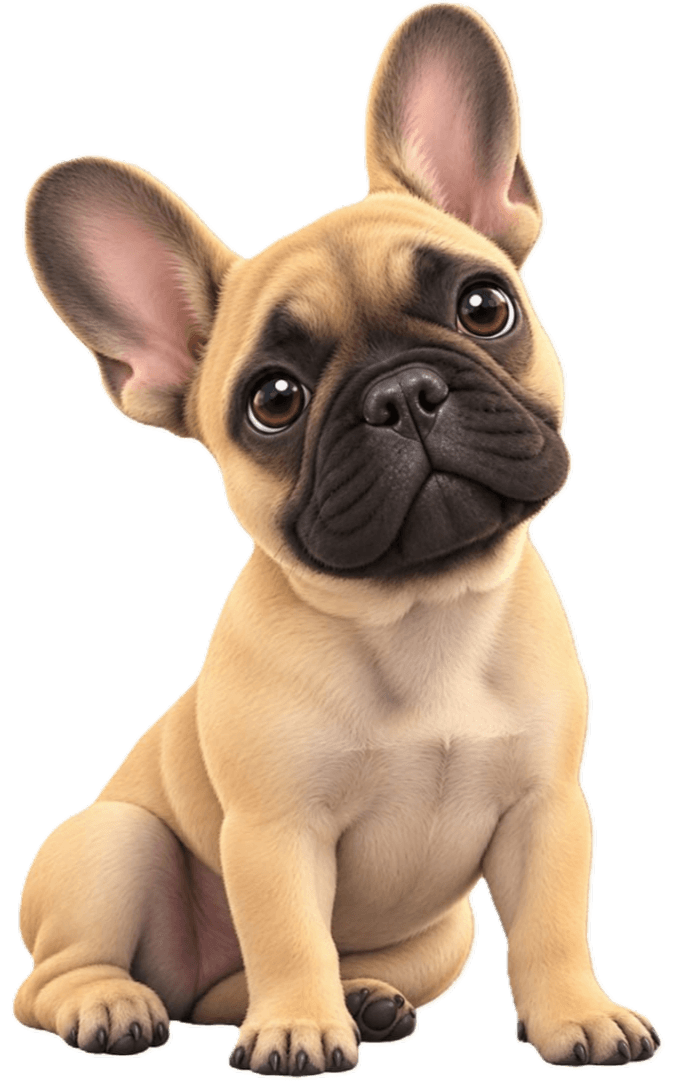
Three of hers. Have a go.
Three of Coco's. Tap what you think each one means.
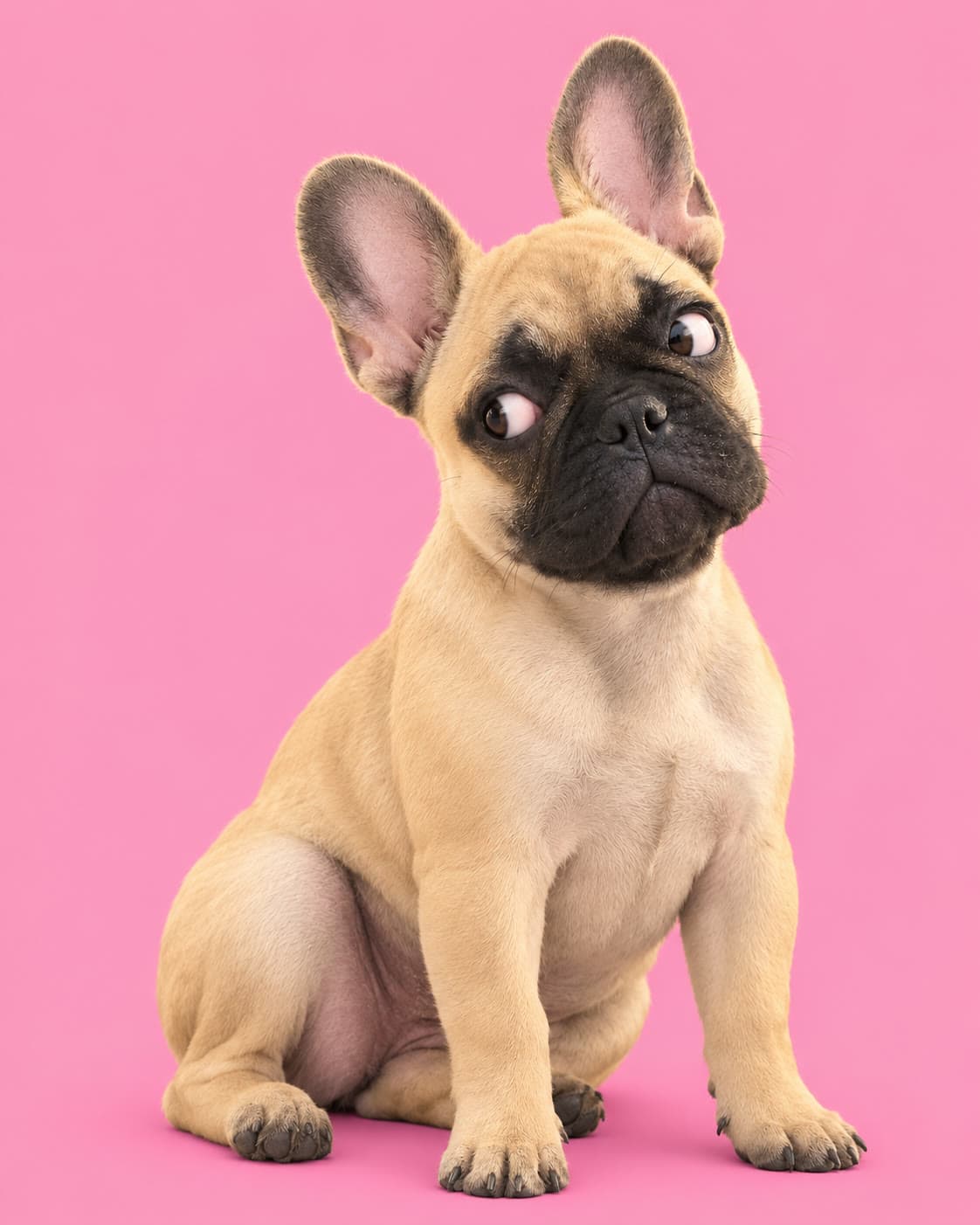
The side-eye
Signal 1 of 3
She turns her head away but keeps her eyes on you, showing the whites.
What's in it
Your dog talks constantly. Ears, tail, eyes, the way they sit down next to you — it's all saying something. Once you can read it, half the stuff that used to be baffling turns into a dog telling you exactly what they need.
Face and body basics
The signals that show up every single day, and what each one is actually telling you.
The weird stuff
Zoomies, the head tilt, kicking grass after a poo, staring at you while you eat. There's a reason for all of it.
Calming signals
The quiet things dogs do to defuse a moment. Easiest signals to miss, and the most useful ones to know.
Stress or play?
These two look almost identical, and mixing them up is how good afternoons go wrong. Here's how to tell.
When it's not behaviour
Some signals aren't personality — they're discomfort. What to notice, and when to ring your vet instead of a trainer.
Coco's 7-day body language challenge
One small observation a day for a week. Five minutes on the face, a day watching the tail, one calming signal to spot. By day seven you're reading the whole dog.
The quick-reference card
One page. Stick it on the fridge. Everyone in the house learns the same language.
The R.E.A.D. method
Four steps for reading any dog, anywhere. It's the most useful page in the guide, so here it is in full.
Relax yourself first
Dogs read your stress before you read theirs. If you come in tense, you're now part of what they're reacting to.
Eyes, ears, mouth
Scan the face as a whole and take the overall expression. One signal on its own tells you almost nothing.
Assess the body
Tail height and stiffness, posture, and where their weight is sitting. The tail gets the attention but posture tells the real story.
Decide
Comfortable, or do they need space? That's the whole question, and you're the one standing there.
General guidance for reading body language — not veterinary or behavioural advice. A sudden change in how your dog behaves is worth a call to your vet.
The questions everyone actually asks
Straight answers, taken from the guide. No preamble.
- Why does my dog lick me?
- Usually affection or the salt on your skin — but obsessive licking of one spot is different, and can mean pain or anxiety.
- A few licks on your hand is social. What's worth watching is constant paw licking, lip licking when there's no food around, or returning to one repeated spot. Licking at the air can be nausea.
- Why does my dog eat grass?
- Grass eating is normal and it doesn't mean your dog is sick or trying to make themselves vomit.
- It's ordinary canine behaviour with deep roots — plant material turned up in as much as 74% of wild wolf scat samples, and a study of 12 dogs found the hungrier they were, the more grass they ate. Most dogs don't vomit afterwards. Worry only if they're eating it obsessively, vomiting repeatedly, or the grass has been treated.
- What does it mean when my dog tilts their head?
- The head tilt is your dog listening harder, not being confused.
- They're adjusting their ears to place a sound and moving their head to see past their own muzzle. Long-muzzled dogs tilt more; flat-faced breeds like Coco tend to stare instead. Keep talking — they're actively tuning you in.
- Does a wagging tail mean my dog is happy?
- No — a wag means your dog is feeling something strongly, not that the something is good.
- A loose, mid-height wag is the happy one. A high, stiff, fast wag usually signals arousal or tension, and a low or tucked tail is fear. Read the whole body rather than the tail on its own.
- Does my dog actually feel guilty?
- No — the guilty look is appeasement, not guilt.
- Dogs don't connect a past action to your current reaction. The ears back and averted eyes are them reading your upset body language and trying to calm you down. They're saying “you seem upset, I'm trying to fix it”, not “I regret the shoe”.
- What is whale eye in dogs?
- Whale eye is when the whites of your dog's eyes show as they look away, and it means they're uncomfortable.
- It's a request for space, not guilt. Step back and don't push the interaction — the tension usually drops as soon as they get room.
- Why does my dog get the zoomies?
- Zoomies are a normal energy release, properly called Frenetic Random Activity Periods, and nothing is wrong.
- They're most common after baths, naps, meals, or the moment you pick up the leash. Don't try to stop them — clear the space and let it run out.
- How can I tell if dogs are playing or fighting?
- Watch for pauses: playing dogs stop voluntarily and check in, and stressed dogs don't pause at all.
- Play looks loose, bouncy and exaggerated, with open mouths and soft eyes. Stress looks stiff, with a hard stare, closed mouth or a low sustained growl. If one dog freezes or tries to leave and the other keeps pushing, step in calmly and separate them.
- When is a behaviour change a health problem?
- Ring your vet when a behaviour changes suddenly — especially new aggression, hiding, or obsessive licking of one spot.
- Dogs in pain lash out at handling they normally accept, and a social dog going quiet may be ill rather than moody. House-training regression, loss of interest in food or play, and panting without exercise are all worth a call. This is general guidance, not veterinary advice.
This is for you if
- You've got a new dog and you're guessing a lot
- Your dog does something odd and nobody can tell you why
- You want to catch trouble before it turns into a growl
- You live with someone who reads the dog completely differently to you
Send me the guide
Your name and email. It arrives straight away.